
A gentle return to nourishment after small bowel obstruction, stomach flu, or digestive pain
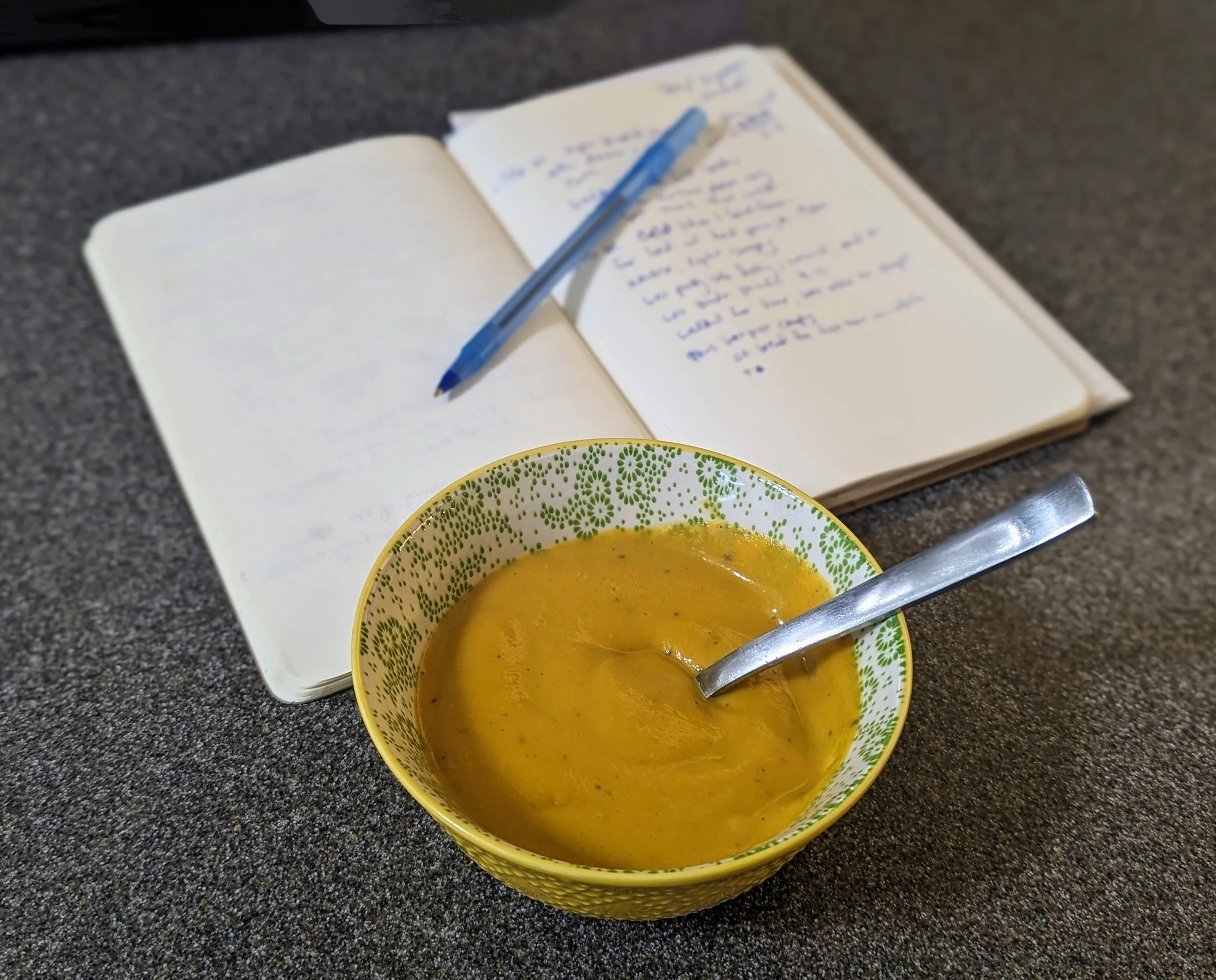
Blended soups and gentle observations are your friend
There’s a moment after a digestive upset—whether it’s a small bowel obstruction, a stomach bug, or just a stretch of pain and discomfort—when hunger starts to whisper again.
And instead of feeling exciting, it can feel… complicated.
You might be wondering:
What can I safely eat?
How fast should I go?
What if I trigger symptoms again?
If that’s you, this is your reminder: please don’t rush.
Coming back to food is not about willpower or “getting back on track.” It’s about rebuilding trust with your body, one gentle step at a time.
The Mindset Shift: From Restriction to Support
After digestive distress, it’s easy to fall into extremes—either avoiding food out of fear or jumping back into normal eating too quickly.
Instead, think of this phase as supportive eating.
You’re not trying to be perfect. You’re trying to:
Soothe your digestive system
Reintroduce nourishment gradually
Listen closely to your body’s cues
This is where your “Slow Moves” mindset really shines: tending, experimenting, and supporting. It’s time to flex your patience muscles.
Step 1: Start Simple and Hydrating

Your body and digestive system have been through something. Give it foods that are easy to process and rich in fluids. Bonus points for using a favorite mug.
Start with:
Warm broths
Simple soups
Electrolytes and water
These options help:
Rehydrate your body
Provide minerals
Gently wake digestion back up
Recipes to Start With
Golden Nutritarian Soup - I suggest omitting the kale or blending it in.
Simple Golden Soup - I suggest omitting the chickpeas or blending them in.
Homemade Crock Pot Chicken Broth - I use the carcass from a grocery store rotisserie chicken.
If cooking feels like too much right now, that’s okay. This is a great time to lean on simple support:
Pick up a fresh soup from the grocery store that looks good to you and blend it
Use a high-speed blender (your Vitamix is your friend here, if you have one)
Blending soups can make them even easier to digest while still giving your body the nourishment it needs.
These options are simple, nourishing, and easy to adjust based on how you’re feeling. If you already have favorite household soups, you can absolutely use those—just cook, strain, and blend as needed.
Step 2: Add Soft, Nourishing Foods
Once liquids feel comfortable, begin layering in soft, easy-to-digest foods.
Think:
Well-cooked vegetables
Soft grains like rice
Shredded chicken or baked fish
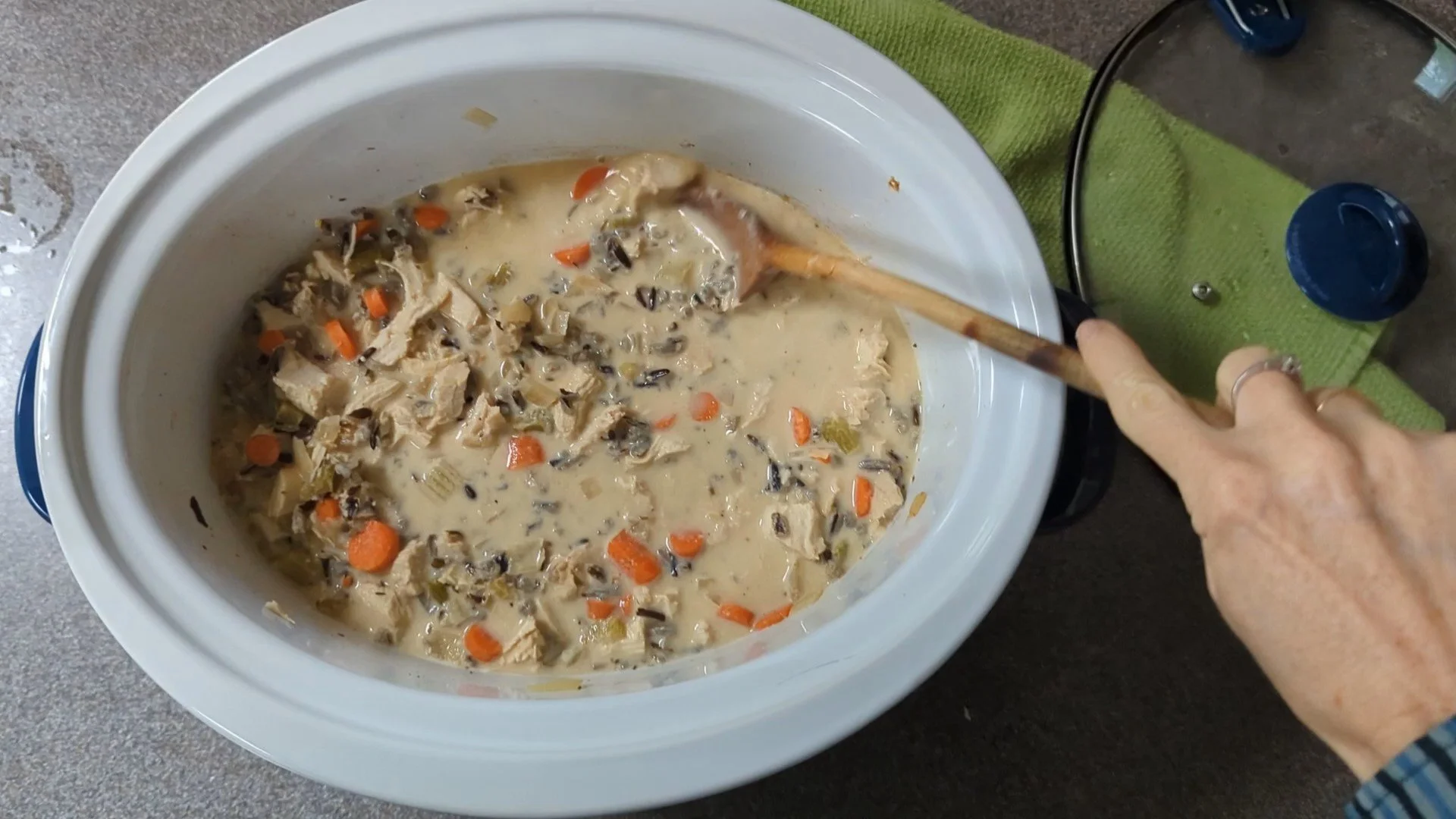
My favorite crock pot chicken wild rice soup is great when I’m in a digestive recovery zone
A great next step is:
Roasted Things (my go-to): This is one of my favorite simple, easy-to-digest meals. I roast seasoned, oiled cauliflower (or another favorite veggie) for about 10 minutes at 400 degrees. Then I add a seasoned salmon filet to the oven and bake everything together for another 11–12 minutes. The omega-3s in the salmon always help me feel noticeably better.
Slow Cooker Chicken Wild Rice Soup - Everything cooks down really soft and comforting. You can absolutely blend this if that feels better—my kids actually prefer it fully blended.
Slow Cooker Yellow Crockpot Curry - A little more seasoned and slightly chunkier, so this is a good “next step” option as your digestion continues to improve.
These options are still gentle, but offer a bit more substance as your appetite returns. If you’re not a crockpot person, all of these can be adapted for the stovetop—and truly, the internet is your oyster if you want more simple well cooked / soup inspiration.
Step 3: Watch for Gentle Signals (Not Perfection)
Instead of looking for a perfect plan, look for feedback from your body. Take it easy and don’t rush.
Helpful questions:
Do I feel better, worse, or the same after eating?
Am I comfortably full or overly stuffed?
Is my energy improving?
Progress isn’t linear. Some days will feel easier than others—and that’s normal.
Step 4: Go Slower Than You Think

One of the most common patterns after feeling better is doing too much, too soon.
Try this instead:
Keep portions smaller than usual
Space meals out
Chew thoroughly - 30 chews per bite
Pause between bites
Let your body lead the pace. And it’s ok if you relapse a bit. It’s a forever process learning how to nourish these bodies, not a one and done destination.
💡Pro tip: Be extra careful of your favorite hard to digest foods. Beef (jerkey) and brussel sprouts like to cause me distress if I come back to eating them too soon.
Step 5: Expand Gradually
As your digestion stabilizes, you can slowly expand your meals:
Add more fiber over time
Reintroduce fats gently
Return to your normal routine step by step
There’s no prize for getting there fastest.
A Note on Small Bowel Obstruction Recovery
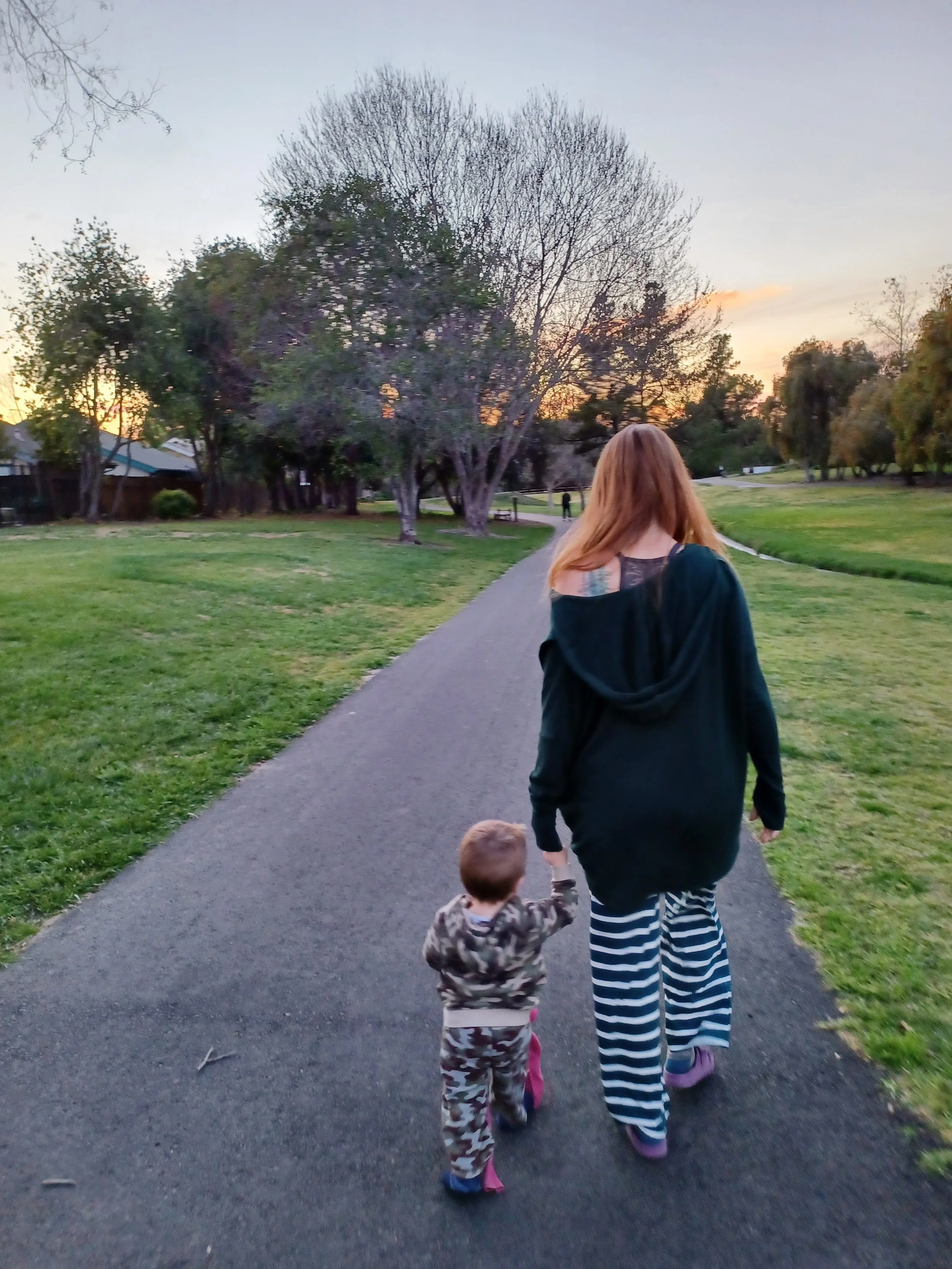
Me and my little dude taking a slow walk right after my obstruction surgery
If you’ve experienced a small bowel obstruction, your return to eating may need to be even more gradual and individualized.
Always follow your medical provider’s guidance first. That said, in my experience, many providers don’t offer much detailed dietary guidance for recovery beyond general recommendations like staying on a low-fiber diet long-term.
With all the supportive research around fiber and nutrient-dense, vegetable-rich eating, that approach can feel confusing. Personally, I’ve had to find a more nuanced middle ground.
One of my biggest takeaways after my own obstruction several years ago is this: I’m best served by staying aware and intentional about what my body can comfortably handle. I’ve come to understand that my digestion may be a bit more sensitive long-term—and that paying attention is not restrictive, it’s supportive, and it’s ok. It always takes me longer than I expect to recover from a digestive distressing episode. Some foods I have to be forever more careful with. For the most part though, I have been able to eat a varied, satisfing, nourishing diet long term that fuels a fully active lifestyle. I am grateful for all my youthful years eating whatever I wanted without paying the pied piper.
Spending time slowly reintroducing foods and observing how your body responds is truly time well spent.
From there, my hope is that this gentle framework can help you:
Reduce fear around food
Stay consistent with nourishing choices
Build confidence in your body again
Closing: Trust the Slow Return
This phase can feel vulnerable and looooong—but it’s also an opportunity.
An opportunity to:
Slow down
Tune in
Care for your body in a deeper way
You don’t have to “bounce back.”
You can come back slowly.
And that might be exactly what your body needs.
Optional Add-On: Gentle Daily Check-In
If you’re navigating this phase, a simple daily check-in can help:
What did I eat today?
How did my body respond?
What feels supportive for tomorrow?
If you want a simple structure for this, you can download my free daily health tracker [tracker link here].
Disclaimer
This post is for educational purposes only and is not medical advice. Always consult your healthcare provider for personalized guidance, especially after a medical condition like a small bowel obstruction.
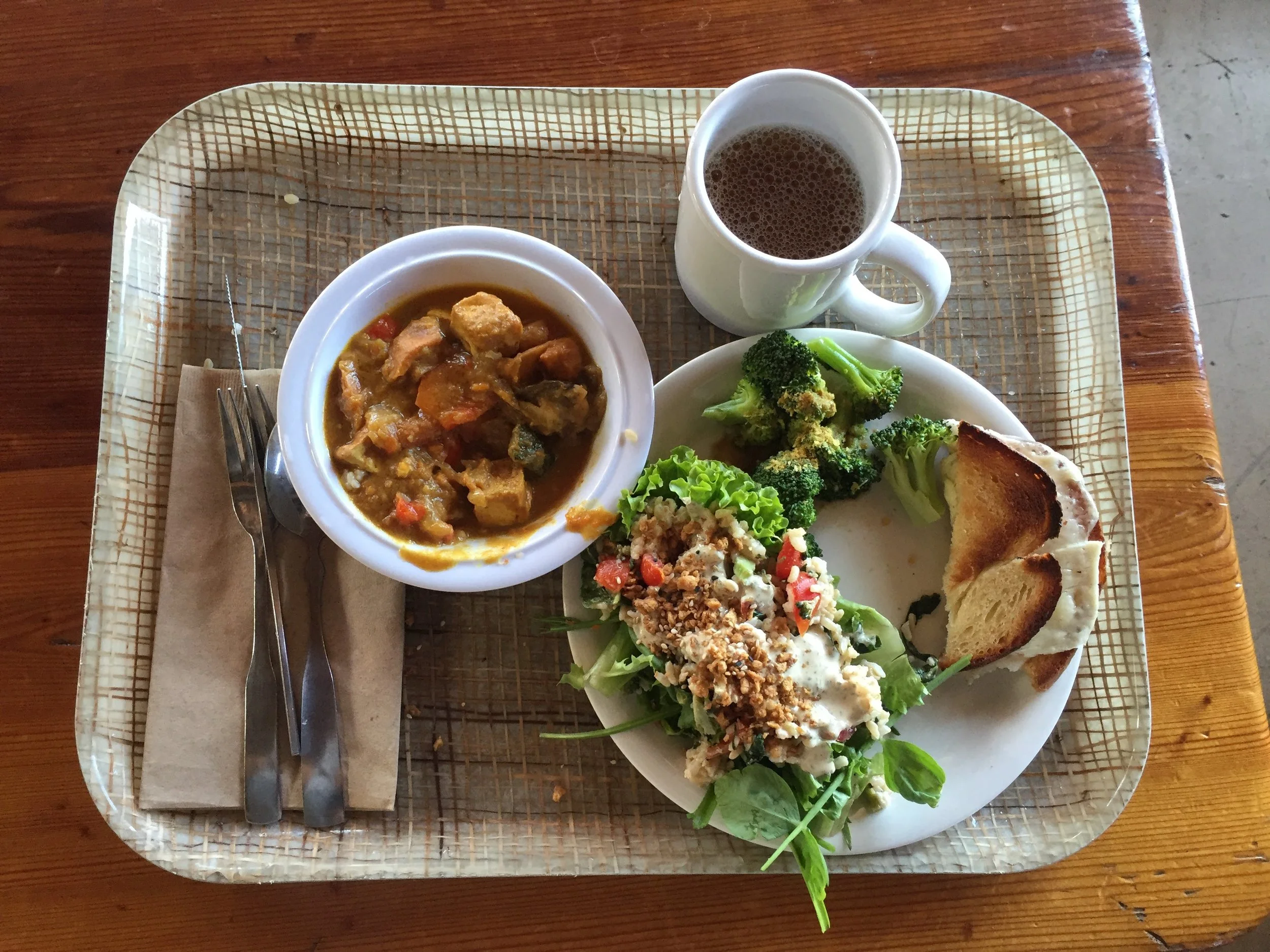
Remember enough good foods will be there waiting when you are ready