
This article is part of my Seasonal Rhythms series. If you haven't read it yet, start with Seasonal Movement Rhythms for the bigger picture.
Early morning, fog filled hikes in San Luis Obispo hit different in the summer.

Summer is the season of bare feet, long golden evenings, and the quiet pull to stay up and outside just a little longer. It’s a time of year that feels like we’re living off sunlight and momentum—energized by heat, light, and open time. I remember summers spent as a kid spent in a bathing suit from morning to dusk, drinking from the hose, running wild on nothing but sun and freedom.
I’ve had to learn the hard way: Summer simply isn't the season to push harder — it’s the time to move differently.
I know that idea doesn’t land easily for everyone. Our culture rewards more: more intensity, more output, more fitness, more growth. Slowing down can feel almost countercultural. And as a lifelong doer, I feel that tension too.
But there’s another rhythm available to us.
In my recent exploration of seasonal living, I’ve been reflecting how nature inspires my movement routines. Nature doesn’t stay in one mode year-round. It expands, contracts, blooms, and rests. Spring often invites building and growth. Fall invites structure and grounding. Winter asks for restoration. Summer, however, seems to ask something different: sustainability.
Summer is an energetic peak in many ways, but sun fueled outward life has limits when it isn’t balanced with care. When I ignore that, my body reminds me quickly (hello cold sores, dehydration, and grumpy pants).
In Ayurveda, summer is associated with pitta—the fire element. When that fire runs too hot, it shows up as inflammation, irritability, exhaustion, and burnout. The answer isn’t to match the intensity—it’s to balance it.
So instead of doing more, we practice cooling down.
We choose movement that leaves us nourished, not depleted. We stay consistent, but soften the edges. We let movement feel like a sigh of relief instead of a performance.
In my twenties, I could ignore heat, poor sleep, dehydration, and overstimulation and bounce back quickly. In midlife, my body is much more honest. When I push through summer's signals, I usually pay for it with poor sleep, irritability, inflammation, or fatigue.
Here’s how to move through summer in a way that supports your energy, not drains it.
Cool The Body
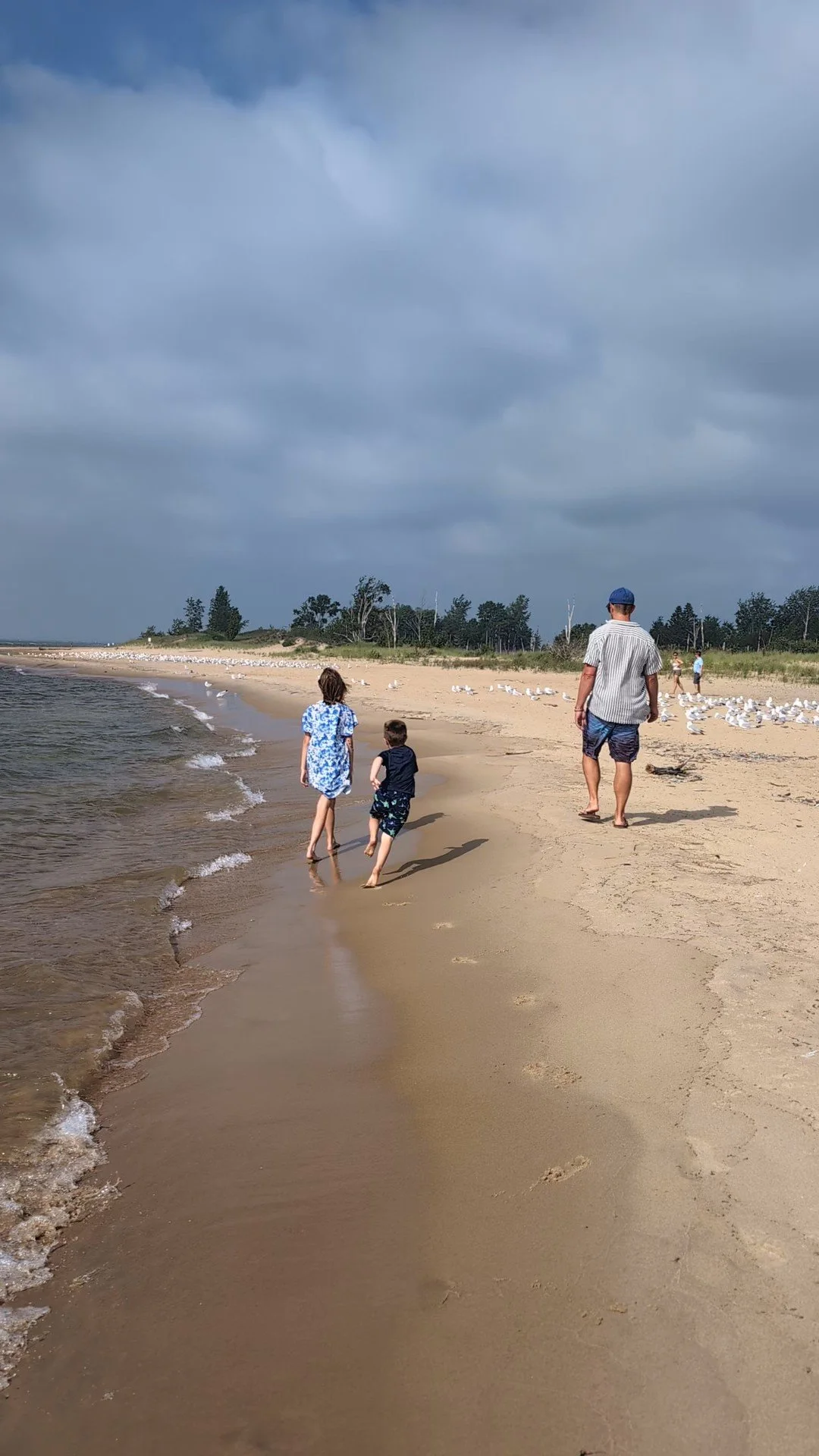
Shift movement to cooler hours—early morning or evening. Try to avoid excess sun exporsure or strenuous activities during the hottest part of the day. There’s something deeply soothing about walking or hiking when the world is just waking up or winding down.
By 2pm in San Luis Obispo, my body usually wants shade, sparkling water, and dramatically lower expectations.
Enjoy Some Shade
Find shade and move gently—yoga, stretching, breathwork, or even just lying on the ground and letting your body reset.
Let it be simple.
Bonus: no studio fees, and the soundtrack is chirping birds.
I notice every summer that my body becomes less tolerant of force and more responsive to softness. Water. Shade. Slower mornings. Earlier hikes. Simpler meals. My nervous system seems to crave less input and more spaciousness this time of year.
Water is Medicine
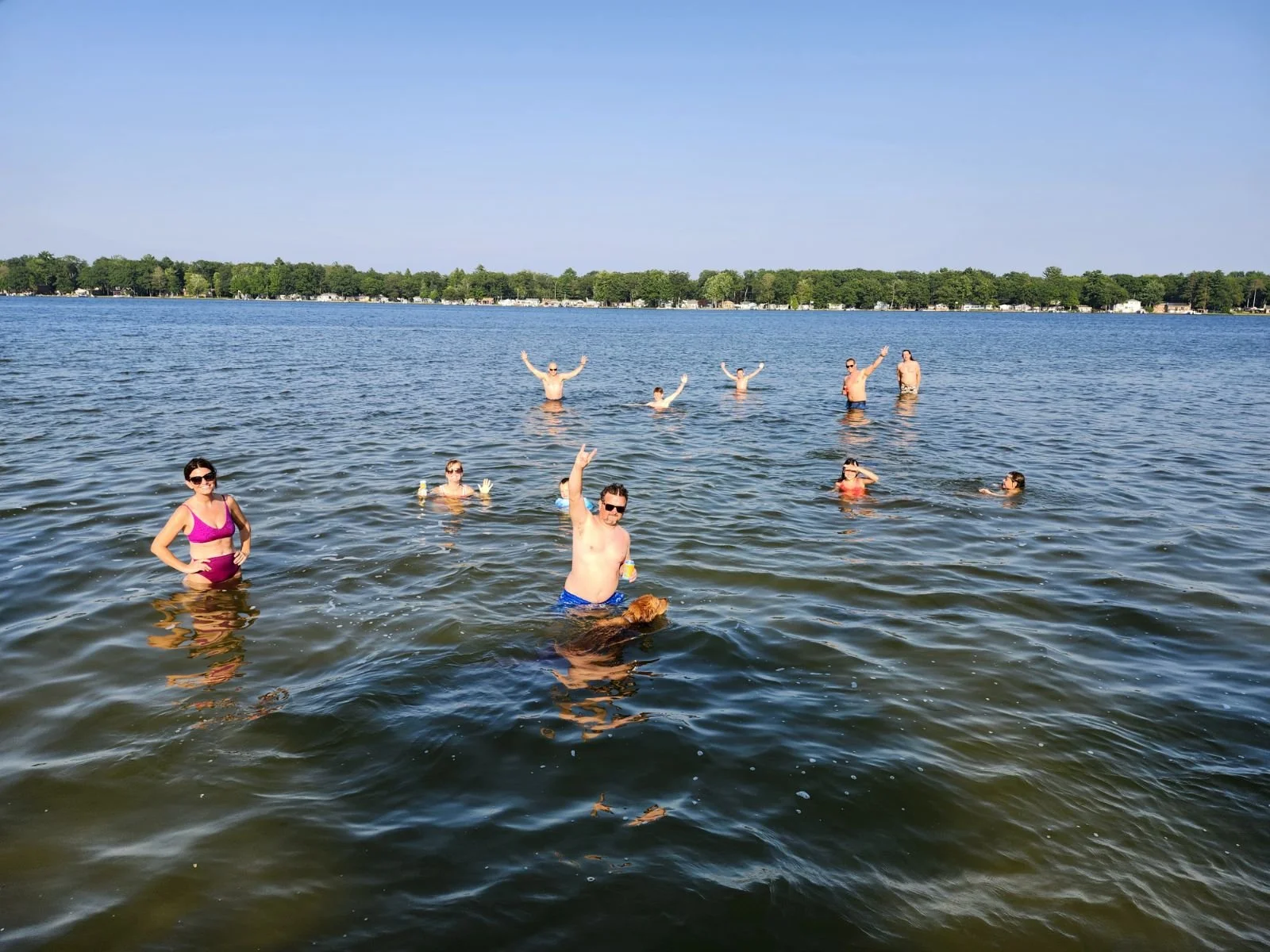
Nothing is more refreshing than a lake swim on a hot day (Oscoda, Michigan)
Water is one of the most effective ways to regulate heat—physically and emotionally. Swim, wade, float, or simply sit near it.
Even brief contact with water can shift your entire system into ease.
Sustain Your Energy
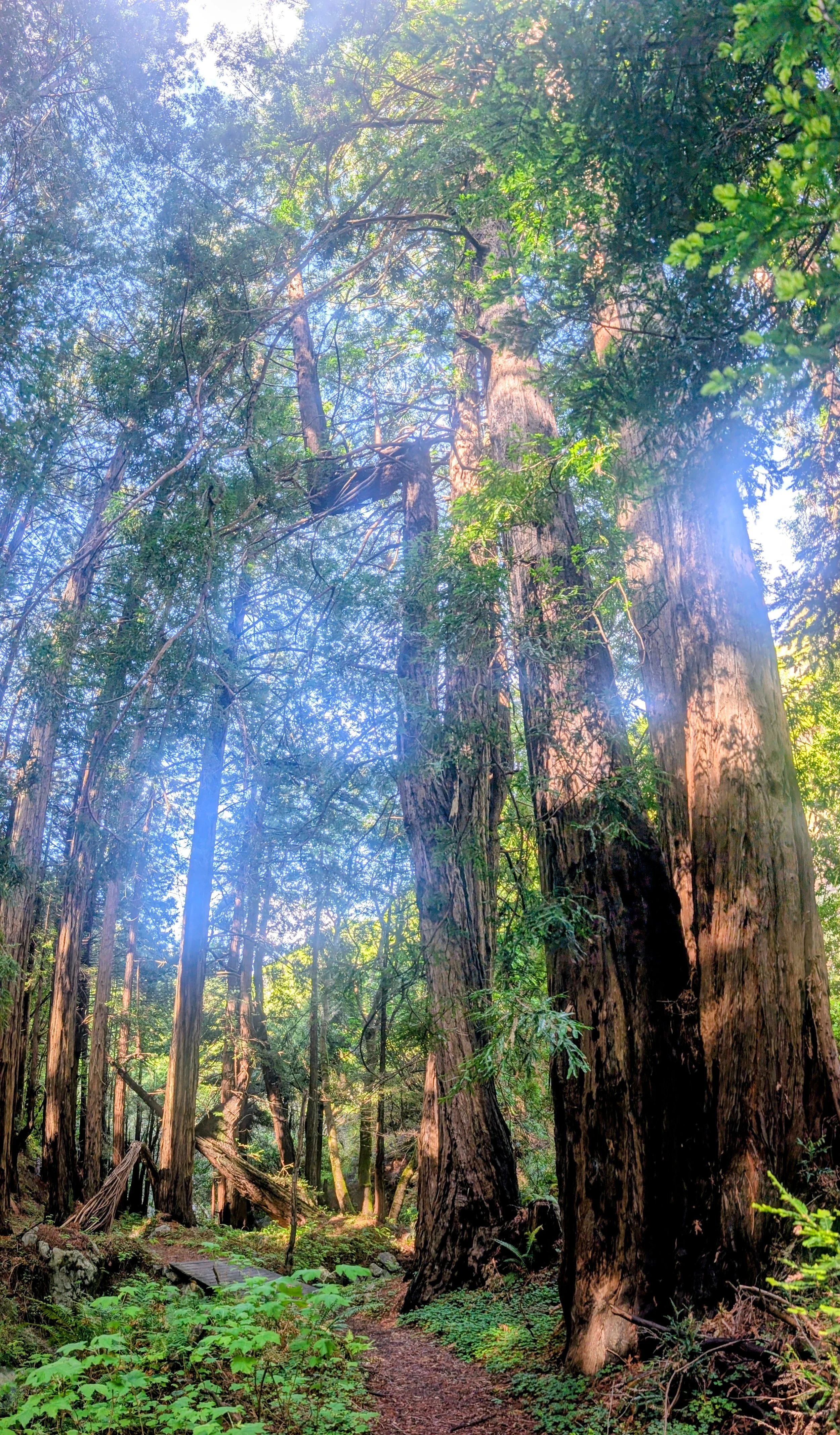
Enjoy the shade of a forest hike
Dial it down. Choose spacious, cooling movement instead of intense, heat-building workouts. Think slower yoga, lighter weights, easier hikes, swimming, or just moving your body enough to feel good—not depleted.
In summer, I’m less interested in crushing workouts and more interested in staying in relationship with movement consistently enough that my body still trusts me by August.
Walking & Hiking
Walking is the best, simple movement available to us humans and it’s always enough. Try to slow it down sometimes and find a less is more approach. Let it become observation instead of output—birds, light, shadows, breath. Bonus points for finding a shady, forest canopy to hike in.
Moderate Strength Training
It’s especially important to build and maintain muscle mass as you age for bone density, balance, joint health, metabolism, and more. Perhaps we can bring more slow and steady energy to our efforts in this season. Although I am always trying to grow my strength capacity, in summer I focus on maintaining my current strength routines, and I call this enough. I enjoy more barre and pilates classes which focus on using body weight as resistance and save the heavier work for fall and spring.
Walking & Hiking
Walking is the best, simple movement available to us humans and it’s always enough. Try to slow it down sometimes and find a less is more approach. Let it become observation instead of output—birds, light, shadows, breath.
Challenging “Peak Fitness” Mentality
Our culture often celebrates intensity, growth, and constant improvement. But summer may be asking something different of us. Before adding more, pause and listen. What movement feels supportive right now? What would it look like to move in a way that works with the season instead of against it?
Prioritize Pleasure & Connection
Summer invites connection. Invite your family or a friend for a walk-and-talk. Stretch in the shade. Play more, achieve less. Summer is social — make your movement social, too.
Connection is a form of nervous system regulation too.
Pedal for Pleasure
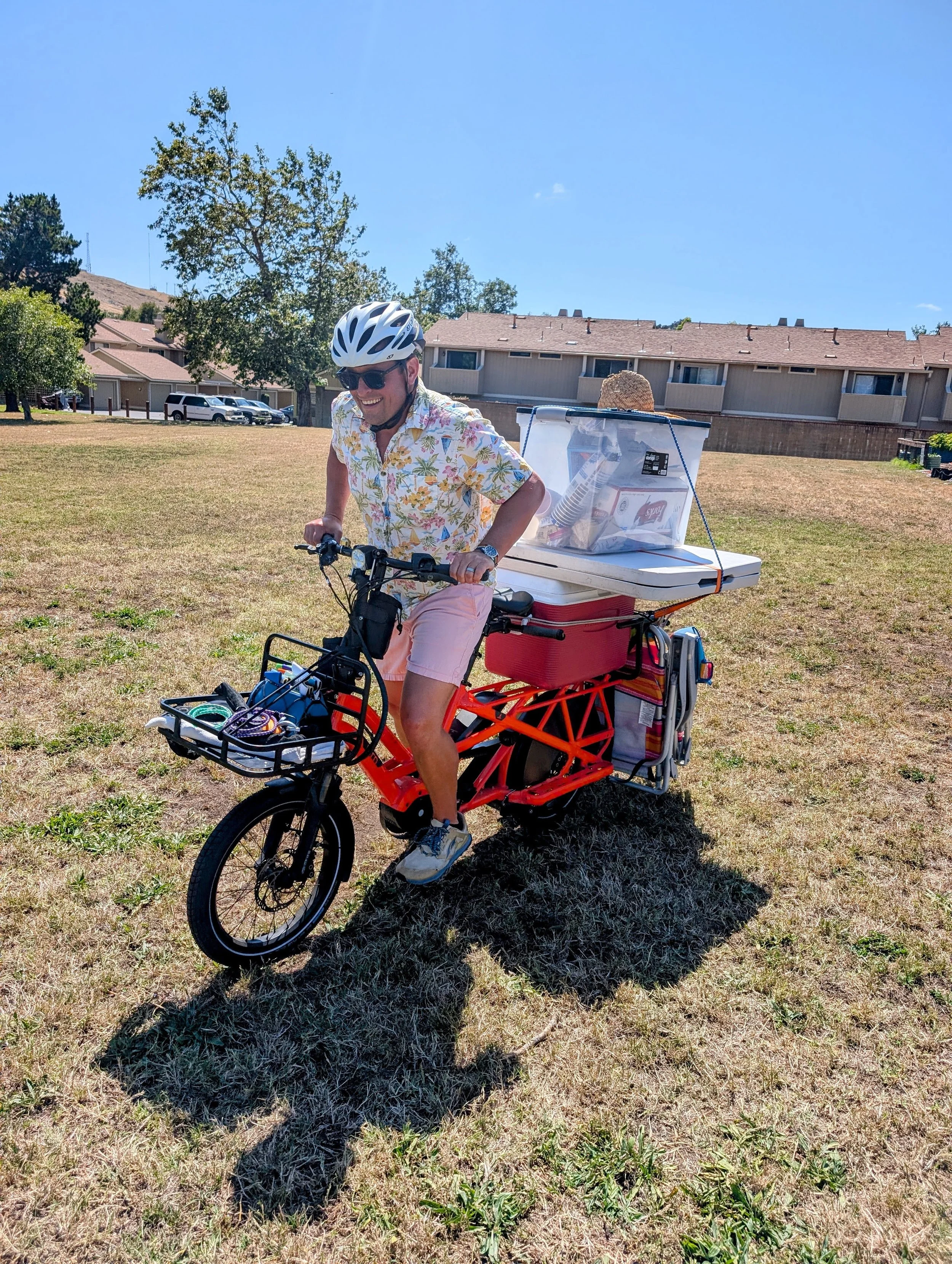
Ride for joy, not intensity. To nowhere in particular. To the library, the park, a bbq, or the ice cream shop. Let biking be a way to feel the season instead of conquering it.
Swim
I’ll say it again because it really is the best way to move in summer: Water is one of the most effective ways to regulate heat—physically and emotionally. Swim, wade, float, or simply sit near it.
Even brief contact with water can shift your entire system into ease.
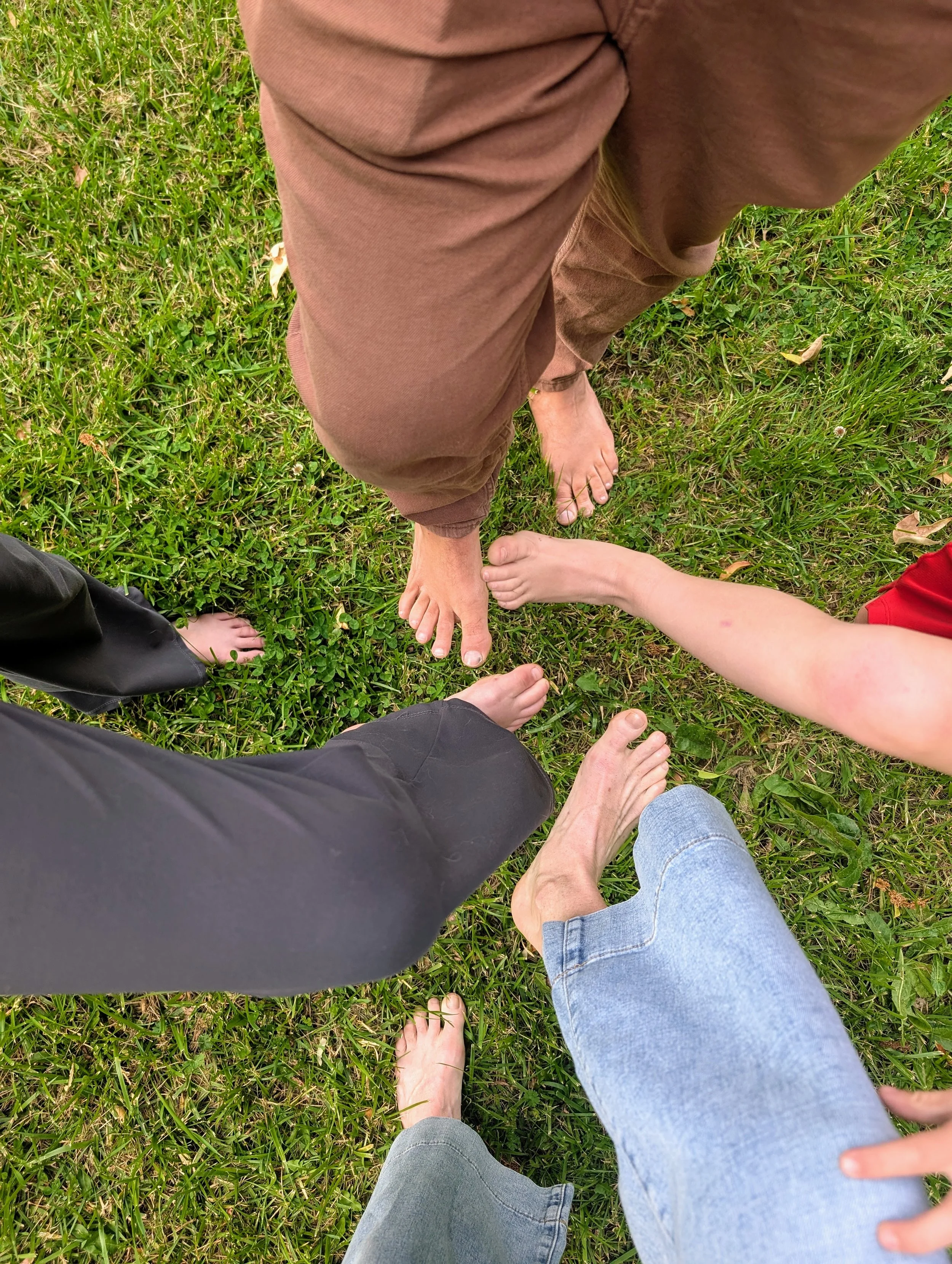
Barefoot Grounding
Let your feet meet the earth. Grass, sand, dirt—any safe natural surface counts. Walking barefoot is one of the simplest ways to downshift the nervous system and reconnect with the body.
Bonus Ritual: Cooling Body Oil
Support your body after heat exposure. Cool showers, coconut oil massage, shaded rest, simple hydration, and food that feels light and nourishing.
Your recovery is part of your practice.
Keep It Gentle, Keep It Going
Your body doesn’t always need more intensity. It needs rhythm, recovery, and consistency.
Summer can be a season of maintaining what you’ve built — not constantly pushing beyond it. A season of enjoying the fruits of our spring efforts instead of staying trapped in the endless cycle of growth, optimization, and more.
There’s something worth reclaiming in the lightness of summer days as a kid — popsicle-stained chins, dirty feet, sun-faded afternoons, and falling asleep completely spent from play instead of pressure.
Every summer, I try to loosen my grip on the old cultural game of “more skin” and “peak body” and remember that vitality can also look like ease, presence, joy, connection, and enough energy left to actually enjoy my life.
Let it be enough to simply be steady.
Let movement support your life instead of competing with it.
Before you plan your next workout, pause and ask:
What would it look like to move in a way that supports my summer rather than competes with it?
What kind of movement would leave me feeling nourished instead of depleted?
Let summer movement be a balm, not a burn.
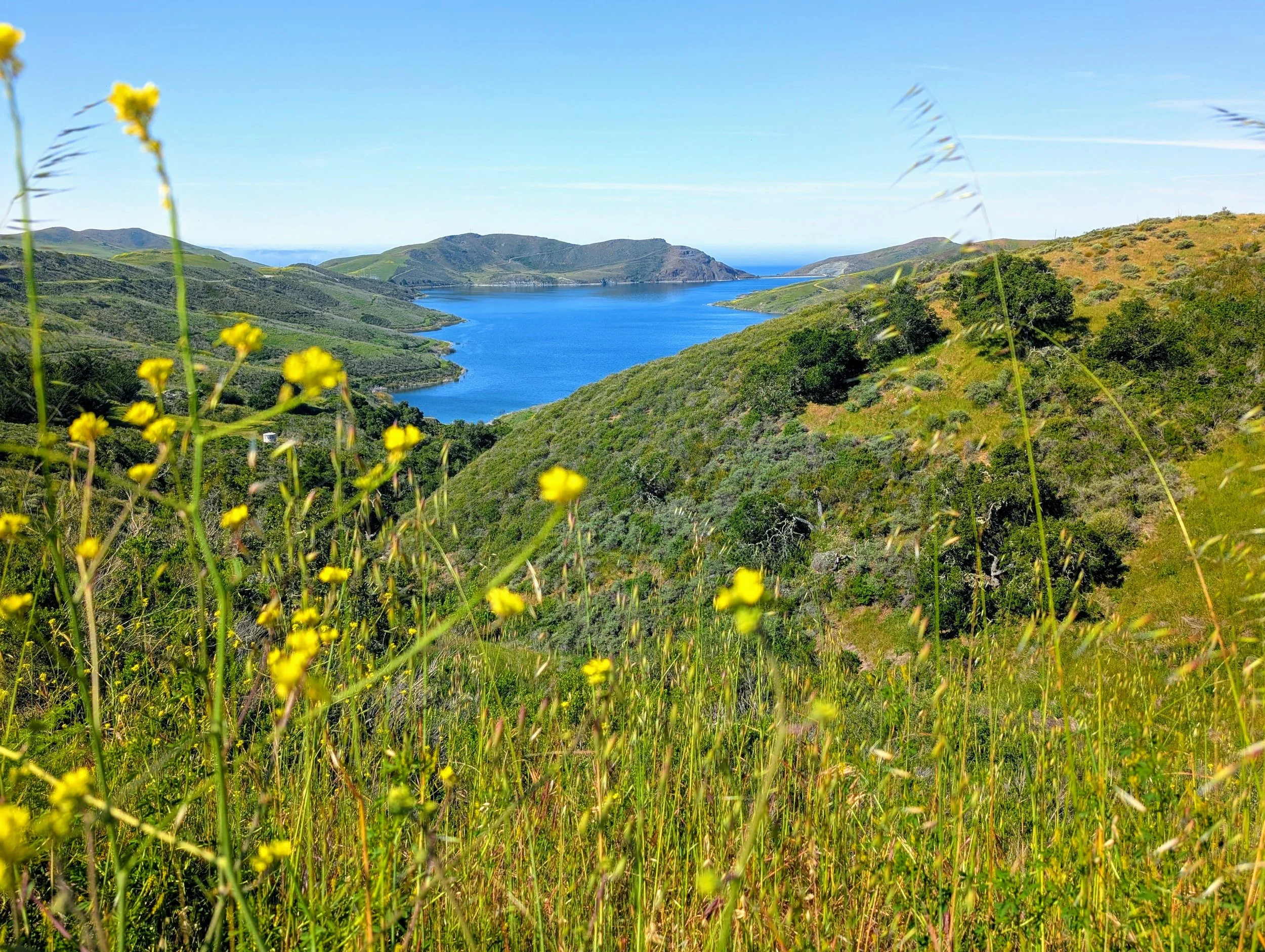
View of Pacific Ocean and Whale Rock Reservoir
🌿 Part of the Slow Moves Rox Seasonal series
I’ve become increasingly interested in living more connected to the natural rhythms of the seasons — noticing the gifts each season brings and the different ways they invite us to inhabit our bodies and lives.
This seasonal series explores simple rhythms, reflections, and practices that may help us move through the year with a little more awareness, steadiness, and self-compassion.
Read next:
Summer Nourishment Rhythms
Summer Lifestyle Rhythms