
I thought I was doing pretty well
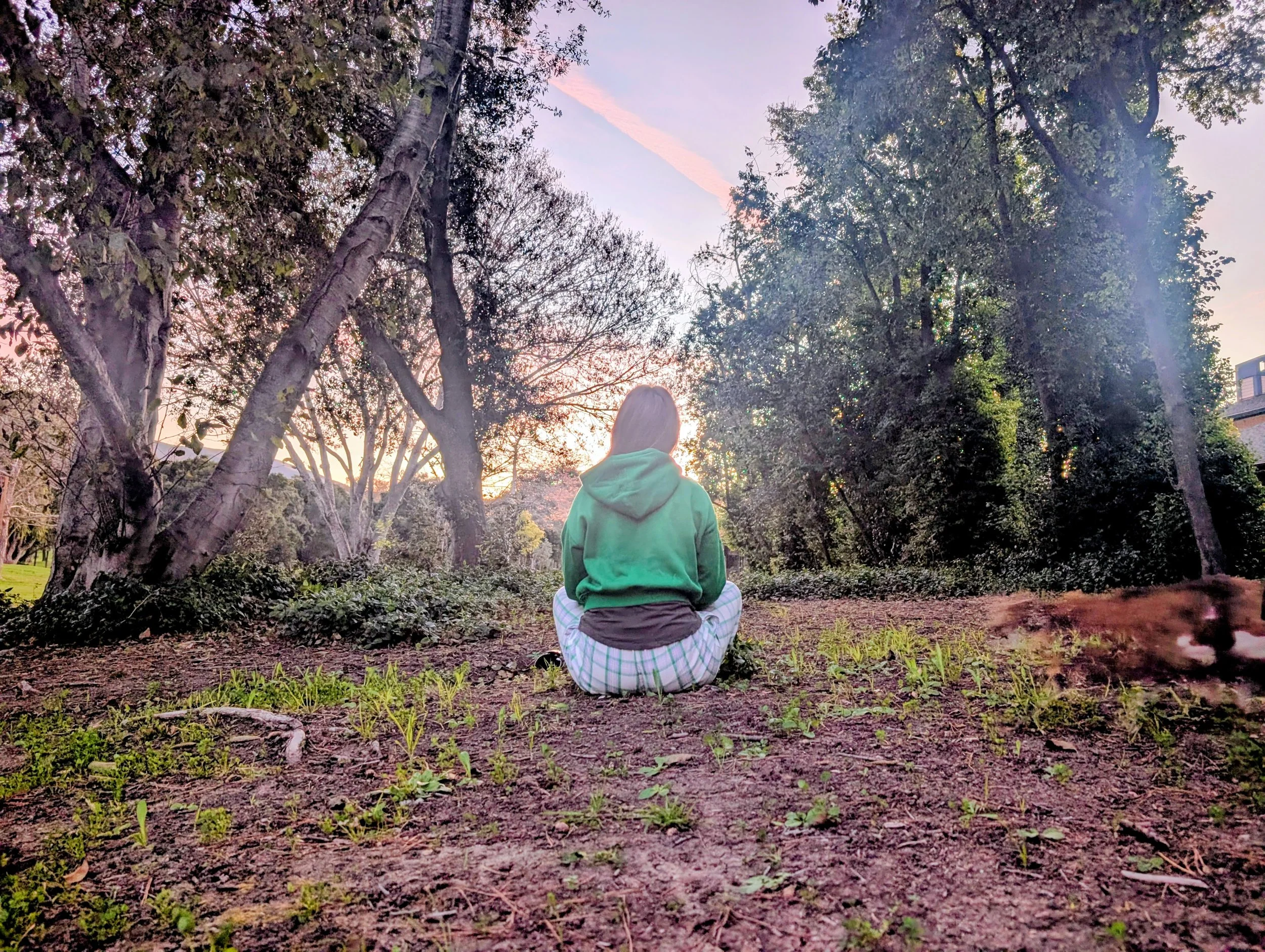
In 2023, at the tender age of 45 years wise, I thought I was doing pretty well healthwise. I was active and strong, teaching and taking barre classes and hiking often. Most of my meals were built around vegetables. I felt like someone who took good care of herself.
Then, during my annual checkup, my doctor told me my A1C had risen to 5.5%. She wanted me to pay attention, bring it down, and see an endocrinologist.
Wait, what?!
My dad had diabetes, but somehow I hadn’t imagined blood sugar becoming a concern for me. I was a movement instructor. I ate my vegetables. Wasn’t I doing the things?
For context, an A1C of 5.5% is just below the standard prediabetes range of 5.7–6.4%. I hadn’t been diagnosed with prediabetes, although emotionally, I felt like I had. It felt like a health wake up call sucker punch. My doctor was concerned about the direction my numbers were heading, especially with my family history. The A1C test reflects average blood glucose over roughly three months.
If I’m being real, my body had also been through a lot: a surprise baby in my forties, major career and identity shifts, surgery for a small bowel obstruction, and the COVID years. Perimenopause symptoms were beginning to make an appearance, too.
Looking back, there was more going on than my active lifestyle could tell me. At the time, though, that conversation was a big surprise.
The roller coaster I hadn’t recognized
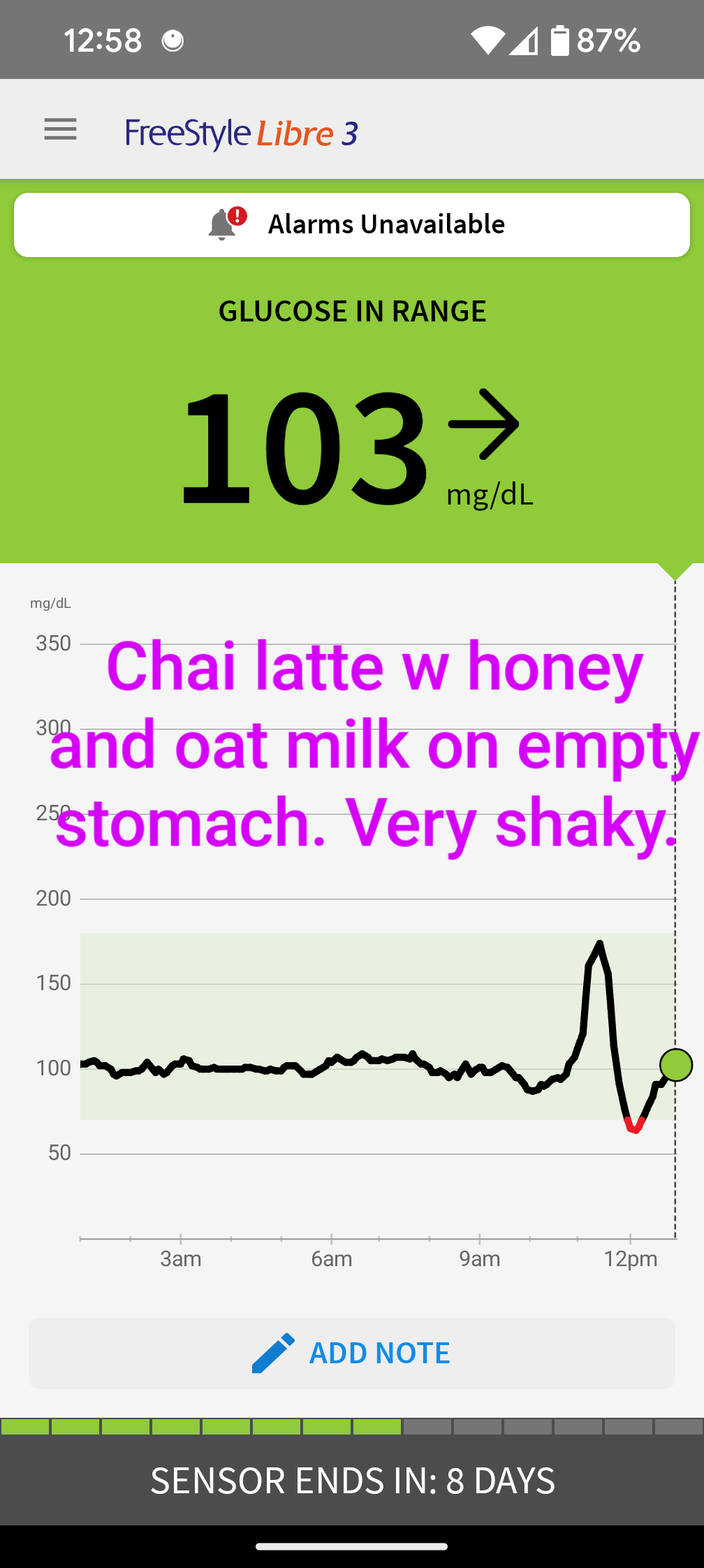
This is a screenshot of my CGM with some notes. Notice the huge spike in my glucose after a homemade chai latte on an empty stomach. I felt shaky and off for half a day after this, even after I ate a meal.
As I began learning about glucose and paying closer attention to how I felt around meals, I recognized a familiar pattern.
I got hangry if my next meal wasn’t satisfying enough or arrived too late. I craved chocolate and sweets. Most afternoons, I felt lethargic and wanted a nap. I had assumed this was just how I operated.
Wearing a continuous glucose monitor, or CGM, gave me another way to observe those experiences. A CGM uses a small sensor to estimate glucose levels in the fluid between your cells and sends readings to an app. It let me see patterns throughout the day instead of relying only on an occasional lab result.
Meals that seemed perfectly reasonable to me—a slice of pizza, tacos, or a sandwich (always with a side of veggies)—sometimes produced rises of 50–60 mg/dL. I often noticed a dip afterward, around the time I felt sleepy or sluggish.
A rise after eating is expected, and the size of a rise alone doesn’t tell the whole story. What caught my attention was the pattern I kept seeing alongside how I felt.
When I ate a generous serving of roasted, nonstarchy vegetables with protein, I often saw a gentler curve and felt steadier afterward. My husband noticed the experimenting, too. Apparently, I was less grumpy!
I hadn’t considered myself a huge carb eater, but bread, tortillas, rice, or pasta accompanied many of my meals. Changing the amounts and combinations seemed to make more difference to my energy than I had expected.
I also began noticing that the way I felt around food varied with my activity and my cycle. A day of hiking and a quieter day at home didn’t necessarily call for the same meals.
Alcohol became another useful observation. Around drinking occasions, my readings seemed more erratic, and it sometimes took several days before I felt back to my usual steady self. Food helped me feel better around those occasions. So did taking longer breaks from alcohol. I couldn’t separate every effect of the drinks, the food, the late nights, and the disrupted sleep, but the overall pattern was hard to miss.
Naturally, I turned this into a project
This little wake-up call worried me. Was diabetes inevitable because of my family history? Could I meaningfully change the direction I was heading? Or had I already reached my healthy-habit limit as an active mom of two?
So I approached it with my usual Type A fervor. I paid out of pocket for a CGM, joined blood sugar courses, read books, and started taking notes.
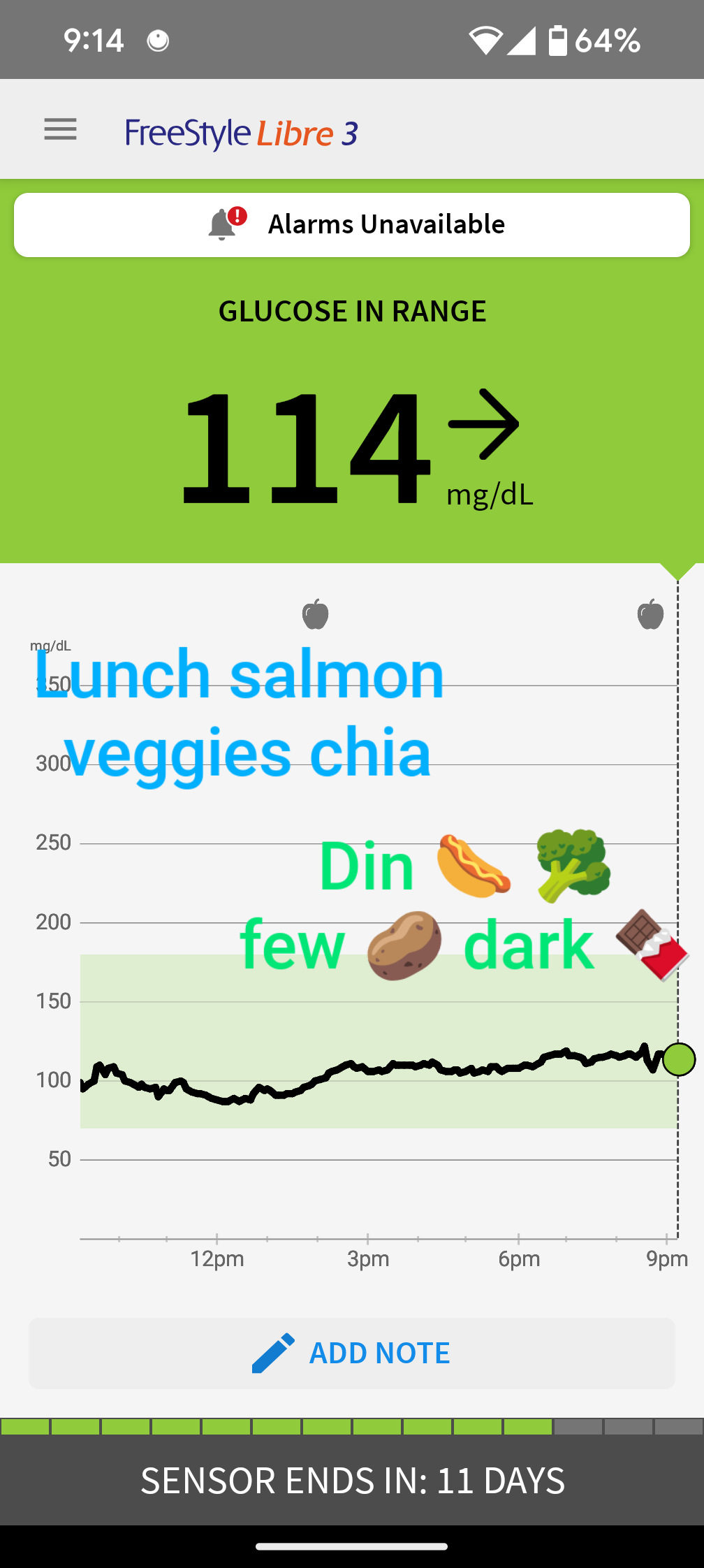
*This is a screenshot of my CGM after a day of healthy for me eating (salmon, veggies, sausage no bun, chia pudding, some potatoes, chocolate). Notice this day my glucose stayed pretty steady even with fulfilling meals. You can also see on this graph how my glucose slightly tended up throughout the day, something that I noticed as a norm for me.
Getting an appointment with an endocrinologist proved difficult without a diabetes diagnosis. I understood that other people had more urgent needs, but I still wanted help making sense of what was happening. Spending money on learning and finding knowledgable health coaches and advocates felt worthwhile to me.
At first, the data was stressful. Oh my gosh, everything was sending my glucose into the red! I wanted to understand my body, but suddenly I had a stream of readings to interpret, and every alert felt like something I needed to worry about. Several nights, a low-glucose alarm woke me from sleep. Between the daytime rises and the nighttime alerts, tracking sometimes created more anxiety than clarity. It took time to learn how to use the information without feeling like I needed to respond to every number.
I also began noticing that some of my bigger rises after meals were followed by dips, sometimes alongside that familiar sleepy, depleted feeling. This made me curious about reactive hypoglycemia—low blood sugar after eating—and whether it might explain some of what I’d been experiencing. This was not the first time in my life this condition had been suggested to me.
Over time, with my learning and experiemental mindset, it became more reassuring and fascinating. I kept screenshots on my phone and observations in a Google Doc. Seeing a meal, a glucose curve, and my energy notes together helped me recognize patterns I might otherwise have dismissed.
It also took some of the emotion out of my food choices. I had something concrete to get curious about.
I wore a CGM on and off for a year or two, taking breaks when tracking felt stressful. Eventually, I felt more comfortable with the meals that suited me and less dependent on the app to tell me how I was doing.
Learning to make a meal all over again
Bread, rice, potatoes, tortillas, oatmeal: these weren’t obscure indulgences. They were familiar building blocks of meals for me and my family. Changing them meant learning a new everyday skill while continuing to feed everyone else.
And honestly, that was a bummer for a while.
Savory breakfasts took some getting used to. I missed the overnight oatmeal the rest of my family ate every day. I missed the convenience of putting together a sandwich or burrito. I missed eating fruit as freely as I had before.
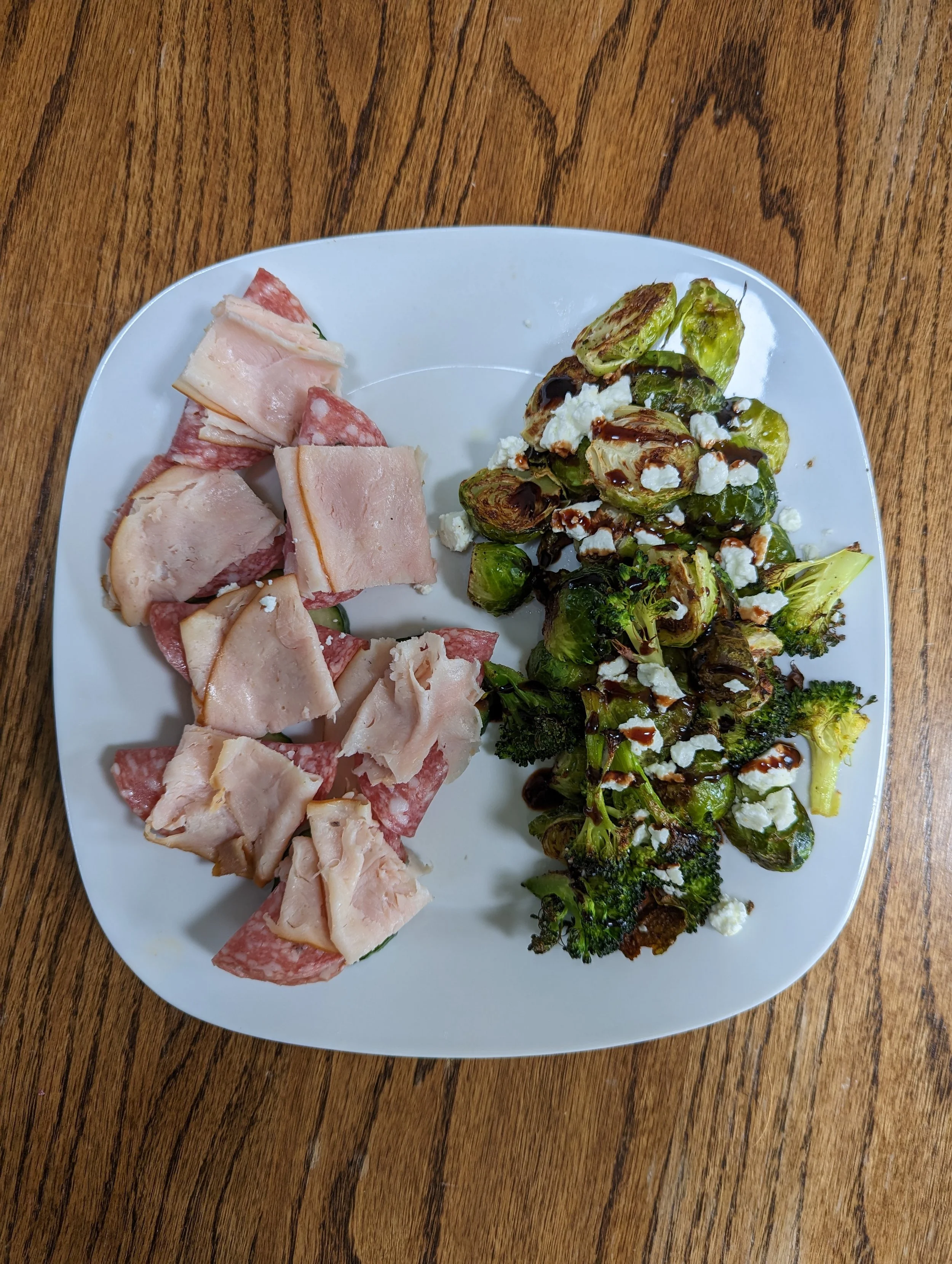
One of the meals that eventually stopped feeling like an adjustment and started feeling like lunch
Gradually, I found meals I enjoyed just as much. Lettuce wraps. A plate of cheese, vegetables, and other good things from the fridge. Berries in smaller portions at the end of a meal.
I also realized I didn’t love bread, pasta, and tortillas quite as much as I thought I did. Often, they were convenient vehicles for the good stuff inside.
These days, I’m pretty good at roasting a big tray of vegetables and turning them into the base of a meal with a satisfying serving of protein and a good sauce. I genuinely look forward to eating that way now.
I experimented with meal order, too. Starting with vegetables, then eating protein before the starchier part of a meal, often seemed to moderate my glucose response. It became one more practical option I could use.
The biggest shift was learning to assemble meals I enjoyed, that satisfied me, and that left me feeling good afterward. That took practice.
Fasting worked for a while. Then my needs changed.
Early on, I experimented with intermittent and extended fasting, drawing on books and fasting communities as I learned.
I worked up to fairly short eating windows on weekdays and tried occasional multiday fasts. At the time, I lost weight I’d been carrying since having my son, and my joints felt lighter. My appetite felt more manageable, and I often preferred one or two substantial meals to three smaller ones.
Full Disclosure: That was my experience during for a relatively short period. It isn’t a schedule I’d hand someone else, and it’s no longer how I regularly eat.
As my perimenopause symptoms worsened, my dad died, and life became stressful again, longer fasts stopped feeling supportive. Delaying food too much began costing me sleep.
And at this phase of my life, that is just not okay.
When my sleep suffers, my mood and energy suffer. My joints become more painful, and the movement I normally enjoy gets harder. Whatever benefit I hoped to get from fasting wasn’t worth that trade-off.
It was difficult to let go of something that had initially helped me feel better. I wanted it to keep working the way it once had. But my experience was telling me to adjust.
Now, I experiment with intermittent fasting much more lightly, sometimes delaying breakfast depending on my teaching schedule, activity, and how I’ve slept. Regular, nourishing meals have become more important to me than maintaining a particular fasting window.
It took longer than I wanted
This entire experience required me to flex my patience muscles.
Aside from recovering from childbirth and surgeries, I was used to feeling noticeably better after a week of dedicated clean living, decent meals and quality sleep. I wanted this to follow a similar timeline.
After a few months of tracking and experimenting, I lost weight and thought, Cool, I’m done!
Not quite.
I learned relatively quickly which meals seemed to produce bigger glucose swings. Feeling comfortable eating differently took much longer. Knowing something and making it feel natural in daily life turned out to be separate projects. Old eating habits died hard.
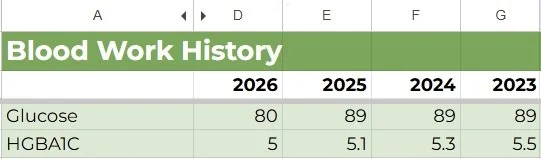
This is a screenshot of how my fasting glucose and A1C change over the last few years of paying more attention to my glucose.
My A1C gradually came down from 5.5% to 5.3%, and later to 5.0%, the lowest it had been since I began tracking it. I was pleased with that change. I also couldn’t neatly assign it to one habit, because I had changed several things over time.
It took at least a year for my new way of eating to feel more comfortable and ordinary. Sometimes I took a break from the CGM, felt off again, and went back on it. Eventually, I became more confident without it. I still struggle with eating well while traveling.
It was especially frustrating when some weight crept back on. I had to remind myself to look at more than the scale: my energy, mood, strength, sleep, and how much capacity I had for the people and projects I cared about.
Those things helped me recognize progress that wasn’t always visible.
What I carry forward now
Eating for steadier energy feels fairly routine these days.
Tonight is taco night. I’ll make a big slaw for a taco salad, or perhaps use a lower-carb tortilla. The kids will happily work through the corn chips and fresh guacamole made with ripe farmers market avocados.
We build meals from the same components and put them together differently. That has made feeding a family much easier than trying to get everyone to eat exactly as I do.
I enjoy my vegetables and protein. I still enjoy foods outside my usual routine. I’ve mostly let go of fasting as a regular tool, and I’m leaving room for my needs to keep changing.
If I could tell my 2023 self something, it would be this:
There are many ways to enjoy delicious food and a delicious life. Isn’t it divine to live in a time of such abundance to have had so many years in full enjoyment mode? You can find meals you love that leave you feeling better. Give yourself time to learn them. And let how you feel matter alongside how your body looks.
I’m still figuring out how much to indulge, in what ways, and what recovery looks like in this era of life. But I’ve come to appreciate the ordinary days: eating familiar meals, feeling steady, moving, sleeping, and having enough energy for my life.
I like my life and my body on those supposedly boring days. More and more, that feels like something worth protecting.
If this sounds familiar
Start with curiosity. Notice which meals leave you satisfied and steady, and which leave you hungry or tired soon afterward. Try a small change and see how you feel. You don’t have to dive in with my Type A fervor to learn something useful about your body.
Ready to try a CGM yourself?
I used a company called Tastermonial to order my CGM devices, but I’ve also used Signos and heard great things about Levels. It is pretty easy and not painful to put a CGM on and to get it to sync with it’s related app. Give yourself some time to observe before changing everything. Eat your familiar meals, jot down what you ate and how you felt, and look for patterns over several days. Screen shots with notes was easiest for me, but more detailed notes needed a longer google doc. Then experiment with one thing at a time—adding protein to breakfast, changing a portion, or taking a walk after a meal. A rise after eating is expected; but how big of a rise feels appropriate and how you recover from your spikes is interesting information. And pay attention to the tracking itself: useful information should eventually make eating feel easier, not more stressful. Learn from educators and content providers while bringing an experimental mindset to your own life.
Resources I explored along the way
These are some of the people and resources I explored during this process. They offer different perspectives. Some ideas were useful for a season; others have stayed with me.
Books, educators, and podcasts
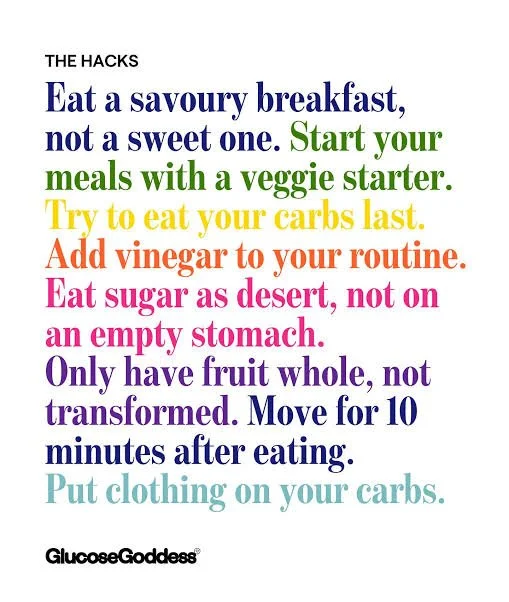
These hacks are a great place to start with healing suspected blood sugar dysregulation, from the Glucose Goddess.
Jessie Inchauspé / Glucose Goddess: Author of Glucose Revolution and The Glucose Goddess Method. Her work introduces practical meal experiments such as savory breakfasts, vegetable starters, and changing the order in which you eat a meal. I greatly appreciated her simple approach to regulating blood sugar and enjoyed her books, newsletters, and youtube channel. See her hacks at right. These are great practices to start with.
Danielle “Dani” Hamilton: A nutritional therapy practitioner whose work focuses on blood sugar, energy crashes, and digestion. I greatly appreciated her podcast, newsletter, and social media posts for inspiration. Eventually, I also participated in her group coaching course called Blood Sugar Mastery, which was super informative, helpful, and worth the cost. I especially appreciated her advice on what to look for with regards to wearing a CGM and her suggested ranges for healthy glucose behavior. It was nice to have a knowledgable person in my camp to ask questions as they arose.
Jason Fung: Author of The Diabetes Code, The Obesity Code, and other books exploring insulin, metabolic health, and fasting. His work presents a fasting-centered perspective but I greatly appreciated his in depth descriptions of how glucose metabolism works.
Mindy Pelz: Author of Fast Like a Girl, which presents her approach to fasting in relation to female hormones and the menstrual cycle.
Gin Stephens: Author of Delay, Don’t Deny and Fast. Feast. Repeat., and host of the Intermittent Fasting Stories podcast. Her work focuses on the everyday experience of intermittent fasting and the community around it.
Medical background and understanding the numbers
NIDDK: The A1C Test & Diabetes: A useful starting point for understanding what A1C measures, diagnostic ranges, and why test results sometimes need confirmation.
NIDDK: Continuous Glucose Monitoring: Explains how sensors work, what their readings can show, and their limitations. The information is primarily written for diabetes care.
This is my personal experience of changing how I eat and learning from glucose data. A CGM helped me notice patterns, but it didn’t diagnose their causes or tell me everything about the nutritional value of a meal. Decisions about testing, symptoms, and fasting deserve individual guidance from a qualified healthcare professional.
Good luck on your health journey