
How to Support Your Body Through Perimenopause

Paying attention to what your body needs—without turning midlife into another wellness project.
I was hiking with a friend recently—anyone else just love a hiking date?—when our conversation found its way to some mild physical discomfort she had been experiencing, possibly related to perimenopause.
“I don’t feel terrible,” she told me. “I’m a little heavier. My joints hurt sometimes. Can I do something to help that? I know something is changing. Is there some supplement I’m supposed to take? I don’t want drugs. It’s not that bad.”
We talked about a few possibilities, but what stayed with me was this: she was already doing the self-care things, the things we are routinely told will help us feel well. She moved regularly, ate well and paid attention to her health—and hormonal discomfort had arrived anyway.
That is not a failure of self-care. It is part of living in a body that changes.
The good news was that her symptoms did not sound as though they were significantly disrupting her life. But she wanted to understand what was happening, be proactive and support herself before she reached a breaking point.
It raised a bigger question for me: What can we do to reasonably care for ourselves during the early, lighter stages of perimenopause—and how do we know when we have reached the limits of self-care alone?
What is tolerable—and what have we learned to tolerate?
Most women notice perimenopause, but most are not incapacitated by it. The British Menopause Society estimates that up to 80–90 percent of women experience some symptoms, with approximately one in four describing them as severe and debilitating. In other words, many women will experience symptoms that are noticeable but manageable, while a significant minority will find that perimenopause substantially disrupts their sleep, work, movement, relationships or everyday quality of life.
Those categories sound tidy. Real life is not.
Women—especially capable women with children, jobs and people depending on them—can normalize an astonishing amount of discomfort. We keep making lunches, answering emails, teaching classes and caring for everyone else. Technically, we are still functioning. But functioning is not the same thing as feeling well.
Perhaps a more revealing question is not simply, Can I get through the day? It is:
How much of my day and energy am I now organizing around not feeling well?
Are you avoiding movement you love because your joints hurt? Recovering for days after workouts that once felt energizing? Waking repeatedly at night and dragging yourself through the afternoon? Feeling unlike yourself in your own mind or relationships? Quietly shrinking your life to accommodate symptoms?
You do not need to wait until you are unable to function before your discomfort deserves attention.
I started noticing perimenopause symptoms at 43. After the slow buildup of symptoms over the course of about a year, the sleep deprivation and joint pain kicked in fiercly—and both kept getting worse. There were several weeks when I couldn’t do my normal movement activities, which was basically the straw that broke this camel’s back.
Regular movement is my lifeline. It’s sometimes my job, one of my favorite ways to spend my time, and a major regulator of my mental health. When pain started taking that away from me, I finally took the full picture of my symptoms more seriously.
I didn’t want to keep adapting my life around feeling lousy. I wanted to understand what was happening and what my options were. So I started looking for a provider who could help me have that conversation.
Midlife is an invitation to pay attention
The familiar cornerstones of well-being—movement, nourishment, rest and reflection—can become less optional in midlife. This is often when the body’s feedback gets harder to ignore. Alcohol disrupts sleep more dramatically. Skipped meals feel less benign. Recovery takes longer. An overly ambitious workout can leave us depleted instead of pleasantly tired.
I do not mean that every ache, injury or difficult emotion is caused by perimenopause. Midlife brings plenty of overlapping influences: aging, accumulated stress, caregiving, work, old injuries, changing sleep and ordinary health conditions. Hormonal changes happen inside that already complicated life.
Nor do I mean that we can perform self-care perfectly enough to avoid aging.
I have an embarrassing admission: I think I subconsciously believed that all my healthy lifestyle choices would save me from the inevitable discomfort of living in an aging human body. Perhaps if I exercised consistently, ate well and paid close enough attention, I could stay one step ahead of time.
As I approach 50, I am learning one of the humbling lessons of my forties: it is not possible to out-exercise middle age. The perfect diet cannot undo time. Our bodies will age, even with our best intentions.
But that does not make caring for ourselves pointless. It changes the purpose. Self-care becomes less about controlling the body and more about building a respectful relationship with it.
Start with listening, not fixing
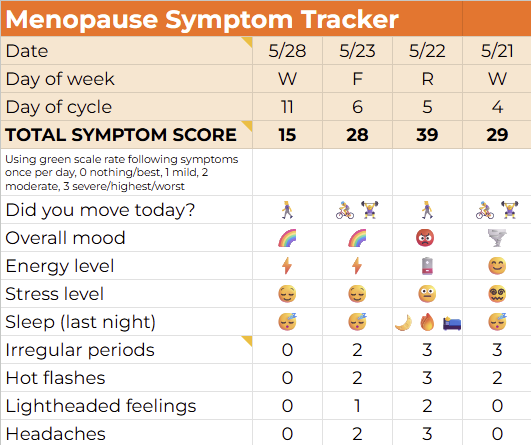
Tracking helped me see the cumulative story my individual symptoms weren’t telling.
Before adding another supplement or launching a stricter routine, pause long enough to notice what is actually happening.
What feels different from a year or two ago? What repeatedly makes you feel better? What reliably leaves you depleted? What are you tolerating because you assume this is simply what midlife feels like?
A simple symptom and health-priority log can help. You do not need to quantify your entire existence. Track only what matters to you: perhaps sleep, cycle changes, mood, hot flashes, joint pain, urinary symptoms, alcohol, movement and overall energy. Over time, the patterns become easier to see—and easier to describe if you seek medical support.
Your priorities may also be changing. The measures that mattered at 25 may not be the ones that matter now. Perhaps the more meaningful questions are no longer What do I weigh? or How hard did I work out? but Can I think clearly? Do I have patience for my family? Does movement leave me stronger? Am I sleeping well enough to feel like myself?
One reason I am a lifelong fan of tracking in general: because it helps tell a story that’s hard to see while you’re in the day-to-day of living life.
When symptoms creep up gradually, we adapt.
When I finally started regularly checking in with my symptoms using the Greene Climacteric Scale, as recommended by Dr. Mary Claire Haver—one of my favorite menopause educators and authors—it became clear that I was struggling more than I had realized.
My total symptom score was in the 30s. Seeing everything together on one page was surprisingly validating. It wasn't just bad sleep over here, aching joints over there, low libido somewhere else. The cumulative symptom burden was seriously affecting my quality of life on an ongoing basis.
That gave me something concrete to bring to my healthcare provider and helped shift the conversation from How can I manage this better? to What treatment options might actually help?
You don't need an elaborate spreadsheet—although I personally love one.
A notebook, app, calendar, or simple weekly check-in can help you notice what is changing and whether those changes are affecting your life.
If you want more help with this, I created a perimenopause symptom tracker and wrote a separate article about why tracking has been so useful for me.
» Read next: Why Tracking Your Perimenopause Symptoms Is a Game Changer
Support the foundations—without turning them into a full-time job
There is no single menopause diet, workout or supplement that every woman needs. The goal is not to complete an enormous wellness checklist. It is to notice which foundations need more support now.
Protect sleep and recovery
Sleep is not a reward for finishing everything else. It is one of the systems through which everything else is repaired.
Good sleep habits cannot always overpower hormonal sleep disruption, but they can give the body a steadier foundation: morning daylight, regular movement, a reasonably consistent sleep schedule and careful attention to alcohol or other habits that fragment sleep. Just as importantly, an exhausting season may require more recovery—not more pressure to perform as though nothing has changed.
Nourish enough
Midlife nourishment does not need to become another restrictive project. Regular, balanced meals; enough protein and fiber; adequate hydration; and food that genuinely sustains you will take you farther than a trendy “hormone-balancing” protocol.
I had to learn the hard way that too much intermittent fasting, especially when combined with high-intensity exercise, could seriously disrupt my sleep and leave me feeling depleted. Whatever benefits I thought I was gaining simply weren’t worth that cost—not for my body right now.
Pay attention to what your body tells you about alcohol. It may fit into your life differently than it once did, particularly if it worsens sleep, hot flashes, mood or recovery. This is information, not a moral judgment.
Move for the body you live in now
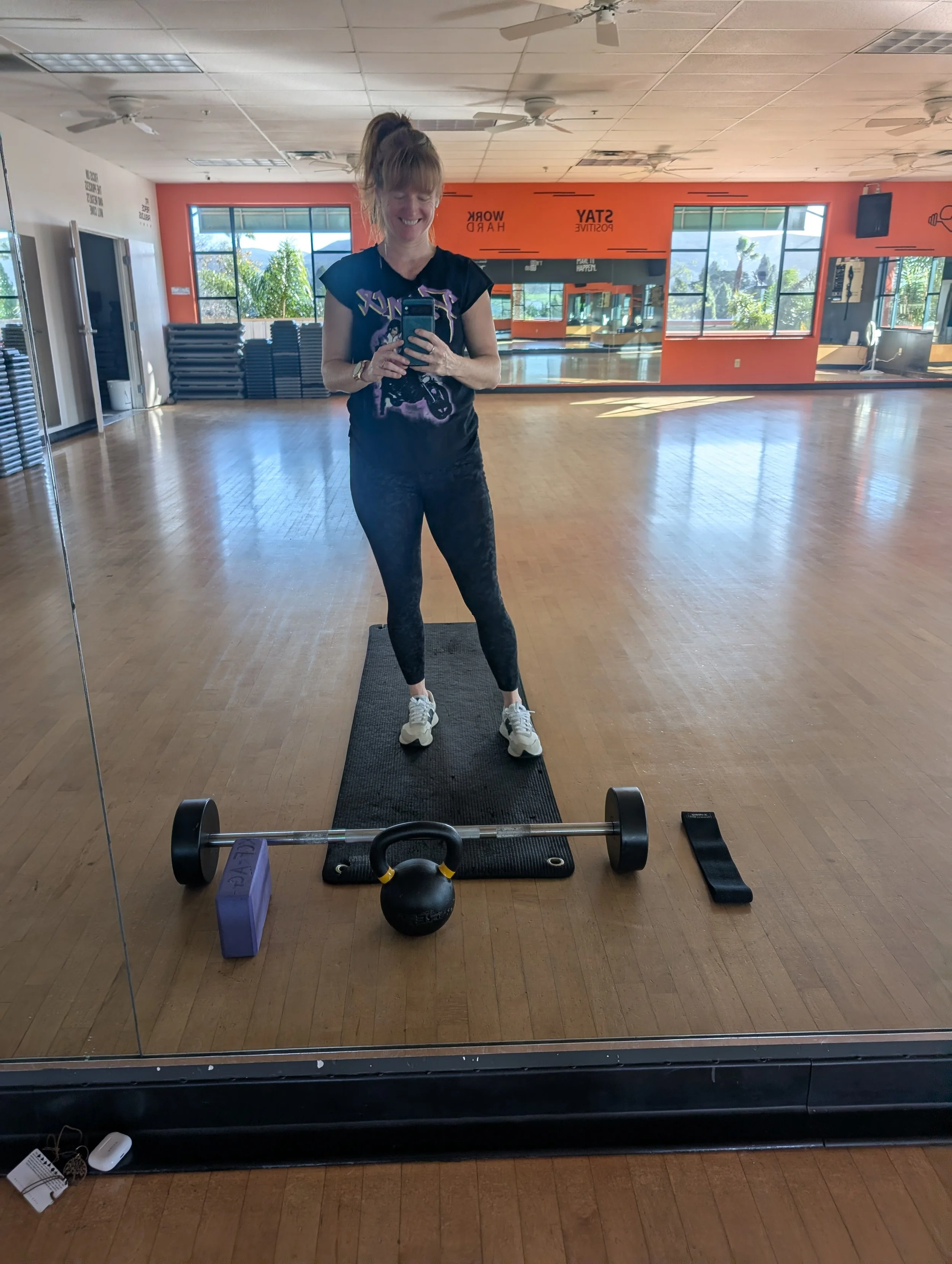
Moving more thoughtfully hasn’t meant doing less. It has meant finding the kinds of challenge my body can recover from and return to.
Daily movement still matters enormously. So do strength, muscle, bone health and cardiovascular fitness. But “more” and “harder” are not automatically better.
If you have been mostly sedentary, midlife is a beautiful time to begin moving consistently and building strength. If you have spent years treating every workout like a test of character, your work may be different: backing away from constant high intensity, leaving space between demanding sessions and noticing whether exercise is making you feel more capable or simply more exhausted.
We do not need to keep working out as though we are still 25—or as though the only worthwhile workout is one that flattens us. Strength training, walking, hiking, steady cardiovascular work, mobility, yoga and genuinely restorative movement can coexist. The right balance will change with your body, health history, symptoms and season of life.
After years of simple at-home strength routines, yoga and hiking, I found myself craving more strength work—and unexpectedly found it through barre fitness. The low-impact, high-repetition movements allowed me to challenge myself while being mindful of sensitive joints. The music, the friends I made and the sheer fun of it kept me moving and connected to joy.
More recently, I’ve been lifting heavier weights at the gym and at home. With guidance from a trainer and resources I’ve found online, I’ve built a routine that complements barre while challenging my body in new ways. Most of all, I appreciate being able to move at my own pace.
Lower the total load
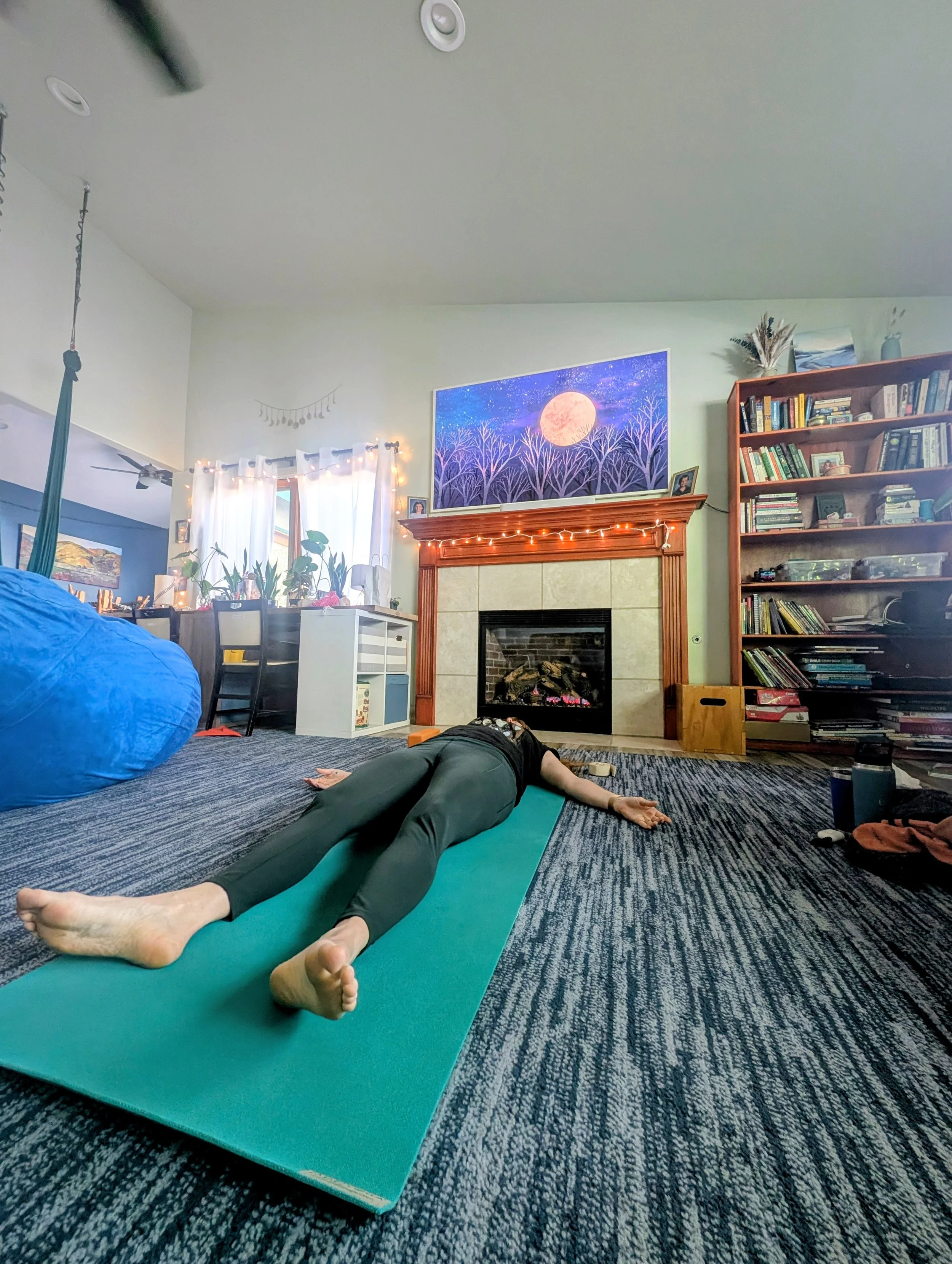
Sometimes the body needs less before it needs more
Sometimes the body needs less before it needs more: less force, less pushing through and less obedience to someone else’s idea of wellness.
Perimenopause may expose a life with too little margin. That does not mean stress caused every symptom, nor that meditation can solve a hormonal transition. It means a nervous system already carrying work, caregiving, financial strain, poor sleep or chronic stress has fewer resources available when another major change arrives.
Rest, quiet, boundaries, time outside, meaningful connection and contemplative practices are not cures. They are ways of reducing the total load the body is being asked to carry.
Self-care is a foundation, not a purity test
Self-care is not synonymous with “natural treatment.” It remains the foundation whether you eventually use hormone therapy, another medication or no medical treatment at all.
There is an expanding marketplace eager to sell midlife women youth, certainty and control. Menopause powders, peptides, hormone programs and anti-aging promises can make ordinary vulnerability feel like a problem we should purchase our way out of. Midlife women have spending power, and marketers have noticed.
Hormone therapy can be genuinely helpful and, for some women, life-changing. It is also not a fountain of youth or a way to erase every discomfort of aging.
If something promises to reverse aging, effortlessly melt midlife weight or optimize every system at once, let skepticism be part of your self-care.
The better question is not Is it natural? It is: Is it supported by good evidence, appropriate for my particular symptoms and health history, and worth its potential cost and risk?
When self-care needs more support
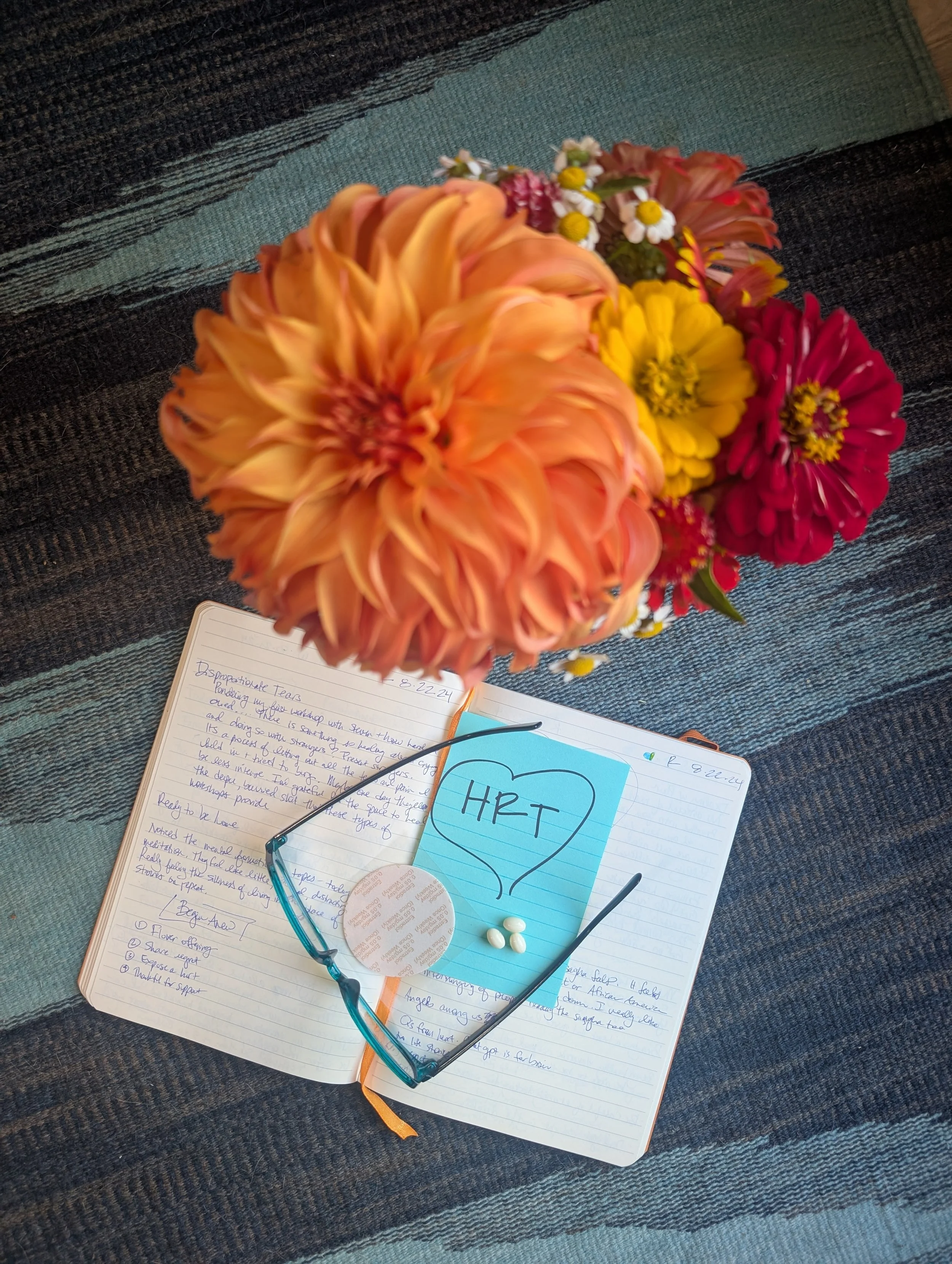
For me, seeking treatment became part of self-care—not evidence that my healthy habits had failed.
You do not have to earn medical care by first perfecting your food, sleep, exercise and stress management.
Consider seeking knowledgeable support when:
symptoms are changing how you move through everyday life;
you regularly do not feel like yourself;
persistent sleep disruption is affecting your ability to function;
pain, bleeding, urinary or sexual symptoms are concerning or worsening;
your mood, relationships or ability to work are suffering;
your own efforts are no longer providing enough relief; or
you simply want help understanding what is happening and what your options are.
New or concerning symptoms still deserve a proper evaluation rather than being automatically attributed to hormones. Perimenopause can explain many things, but it should not become a catchall that keeps us from looking more closely.
You don’t have to suffer your way through perimenopause
I wish I had understood this earlier.
Some women experience relatively mild symptoms and need very little intervention. Others have symptoms that substantially affect their sleep, relationships, work, movement, mental health or overall quality of life. What you need may also change as you move through the transition.
There is no universally correct way to manage perimenopause—and no award for white-knuckling your way through it. The goal is not to eliminate every uncomfortable sensation or optimize your hormones into submission. It is to have enough information and support to make thoughtful decisions about the body you are living in now.
When my symptoms began overwhelming me, I found a care provider who specialized in perimenopause and menopause. For me, hormone replacement therapy (HRT) made a noticeable difference surprisingly quickly and continues to support me as I move through this transition.
Some of my most disruptive symptoms—including poor sleep, joint pain and genitourinary symptoms—improved significantly. Most importantly, I was able to return to regular, joyful movement. I felt more like myself again—not because every symptom disappeared, but because they were no longer running the show.
I don’t know what role HRT will play for me once I reach menopause or how my needs may change along the way. If I have learned anything during this hormonally unpredictable season, it is to pay attention, stay flexible and take it one day at a time.
A gentler question for this season
There is no requirement to medicalize every mild discomfort—and no virtue in dismissing symptoms that are quietly changing your life.
The work is paying enough attention to know the difference.
Maybe your body needs more nourishment, steadier movement or actual recovery. Maybe an old workout habit no longer fits. Maybe your symptoms are manageable and you simply want to observe them with more curiosity. Maybe you have been calling something “not that bad” even as it quietly reorganizes your life. Maybe it is time to ask for help.
Midlife is not an invitation to obsess over the body. It is an invitation to come into a more honest relationship with it—to stop chasing the body we had at 25, stop overriding every signal, and become a good wingwoman to the body carrying us forward.
Start there. Pay attention. Offer support. And let what you learn—not fear, shame or marketing—guide your next move.
This article shares my personal experience and general educational information and is not a substitute for individualized medical advice.
Resources & Further Reading
I have used the following as references while researching and fact-checking this post. These can be helpful resources if you’d like to dig more deeply into the science, symptoms, and treatment options surrounding perimenopause and menopause.
Website: British Menopause Society
Website: The Menopause Society
Podcast: Science Friday Podcast. 1396 Hot flashes and hormone therapy: the science of perimenopause, September 2026.
Book: Haver, Mary Claire, MD. The New Perimenopause: An Evidence-Based Guide to Surviving the Zone of Chaos and Feeling Like Yourself Again, Rodale Books, 2026.
Book: Haver, Mary Claire, MD. The New Menopause: Navigating Your Path Through Hormonal Change with Purpose, Power, and Facts. Rodale Books, 2024.
Provider Resource: Choosing A Health Care Practitioner and Provider List by The Menopause Society
My Local, Central Coast Provider: Coastal Well Woman, Women's Healthcare for Midlife and Menopause Wellness, based in Santa Barbara, California, with in person and virtual meeting options
Part of the Perimenopause series
This series explores practical ways to navigate the hormonal changes of perimenopause with more understanding and support.
Explore the series:
Wait, Is This Perimenopause? Signs, Symptoms, and What to Notice
Start here if you’re wondering whether the changes you’re experiencing could be hormonal.What Tracking Taught Me About Perimenopause
Learn how tracking can reveal patterns and help you understand the cumulative effect of your symptoms.How to Support Your Body Through Perimenopause
You are here.When I Knew It Was Time to Seek Help for Perimenopause
Recognize when lifestyle support is no longer enough—and how asking for help can become part of caring for your whole self.